Chalance Dating: Why Caring Is Cool Again
For years, dating culture seemed to reward the person who cared less. Don’t text too fast. Don’t look too interested. Keep your options open. Play it cool.
That energy is starting to feel old.
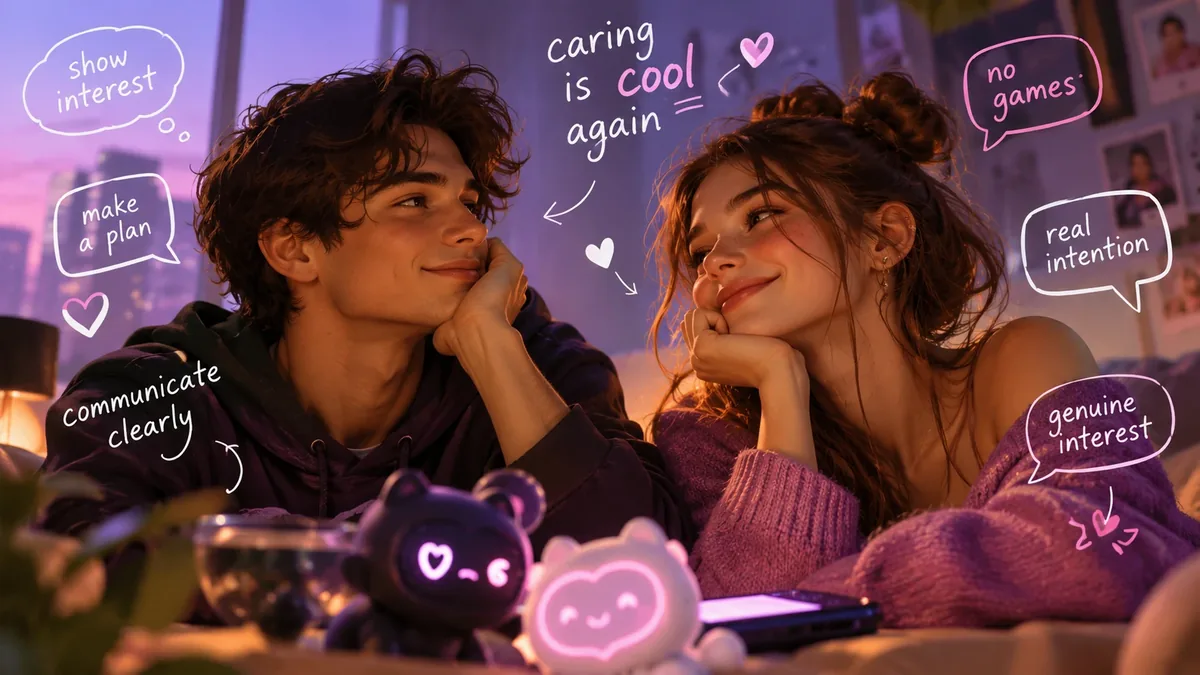
A dating trend called chalance is moving in the opposite direction: show interest when you feel it, make an effort, communicate clearly and stop treating emotional distance like a power move.
Chalance dating means dating with visible intention and genuine interest instead of performing indifference. The word plays on nonchalance, but the idea behind it is bigger than a clever label. It reflects a growing frustration with low-effort dating, unclear intentions and the belief that caring too much somehow makes you less desirable.
What does chalance mean in dating?
A chalant dater doesn’t deliberately wait hours to reply to a message they already read. If they enjoyed the date, they say so. If they want to see you again, they make a plan. If they’re interested, they don’t force the other person to decode it.
That doesn’t mean oversharing, rushing intimacy or becoming intensely attached to someone you barely know. Chalance is closer to intentional dating without the performance. You can show interest and still have boundaries, standards and a life of your own.
The point is simple: stop making people guess whether you care.
Why is chalance resonating now?
The trend didn’t appear in a vacuum. Dating apps gave people an extraordinary amount of choice, but they also made it easier for every connection to feel replaceable. Another profile is always waiting. Another match can arrive tomorrow. A conversation can disappear without explanation.
Against that backdrop, visible effort starts to feel surprisingly refreshing.
And the shift is showing up in the data. In a 2026 Tinder survey, 56% of respondents said the classic hard-to-get game feels outdated. The same research points toward a preference for sincerity, genuine interest and more open expressions of affection. Tinder Newsroom
The interesting part isn’t really the slang itself. It’s what people seem to be asking for underneath it: clarity, effort and emotional presence.
That suggests people may not be rejecting online dating itself. They may be rejecting the behaviors that have made it feel detached, repetitive and strangely low-stakes.
What does chalant dating actually look like?
Most of it is ordinary.
You reply because you want to talk, not because enough time has passed. You suggest an actual plan instead of saying “we should hang sometime.” You ask a question because you’re curious about the answer, not because it’s simply the next line in a dating script.
It also means being clearer when the feeling isn’t there. Honest interest and honest rejection are both more respectful than keeping someone in an ambiguous half-connection just because you might want the option later.
That is what separates chalance from simply trying harder. The goal isn’t maximum effort at any cost. It is making your level of interest understandable.
Chalance vs. nonchalance
Nonchalance isn’t automatically bad. Confidence is attractive. Having your own life is healthy. Not forcing a connection is a good thing.
The problem starts when confidence becomes performed indifference.
Chalance keeps the independence and drops the game. You can have self-respect without pretending not to care. You can be excited about someone without making them responsible for your whole emotional world.
In that sense, chalance isn’t asking people to become more intense. It is asking them to become less strategic about genuine interest.
What does chalance mean for dating apps?
If dating culture is moving toward greater intention, the products people use to date may need to evolve too.
Traditional swipe mechanics encourage extremely fast decisions: see a face, make a judgment, move on. But intention needs something more — enough information to become curious, enough interaction to notice personality and enough context to decide whether you actually want to know someone better.
Instead of asking only “Do I like this profile?”, dating products can help people answer a more interesting question:
“Do I actually connect with this person?”
That is a very different starting point.
Will chalance shape dating in 2027?
The word itself may or may not stay trendy. Dating vocabulary moves fast.
The behavior behind it has a better chance of lasting.
If people continue to reject low-effort dating, unclear intentions and performative detachment, 2027 could bring even more emphasis on intentionality, emotional compatibility and interactions that feel less transactional.
The larger shift may be from playing it cool to showing up clearly.
And that has implications not only for how people date, but for how dating apps are built.
From chalance to vibe-first dating
That is part of the thinking behind GENZA.
GENZA starts with personality and compatibility instead of making a photo the whole first impression. You build your own Vibe Code, discover matches through compatibility and interact through avatars and co-op games before photos take over.
Check the vibe first. Reveal photos when it feels right.
It isn’t about removing attraction from dating. It is about giving curiosity, chemistry and genuine interest a chance to show up first.
Chalance says: if you’re interested, act interested.
GENZA asks a related question:
What if dating apps gave you more to become interested in?